BevyCSharp 0.6.91
See the version list below for details.
dotnet add package BevyCSharp --version 0.6.91
NuGet\Install-Package BevyCSharp -Version 0.6.91
<PackageReference Include="BevyCSharp" Version="0.6.91" />
<PackageVersion Include="BevyCSharp" Version="0.6.91" />
<PackageReference Include="BevyCSharp" />
paket add BevyCSharp --version 0.6.91
#r "nuget: BevyCSharp, 0.6.91"
#:package BevyCSharp@0.6.91
#addin nuget:?package=BevyCSharp&version=0.6.91
#tool nuget:?package=BevyCSharp&version=0.6.91
<div align="center">
Bevy C#
Bevy C# [Behavior] on a struct are component & systems, generated at compile or runtime and wired straight into Bevy's ECS. Implementing Radiance Cascades. [bcs]





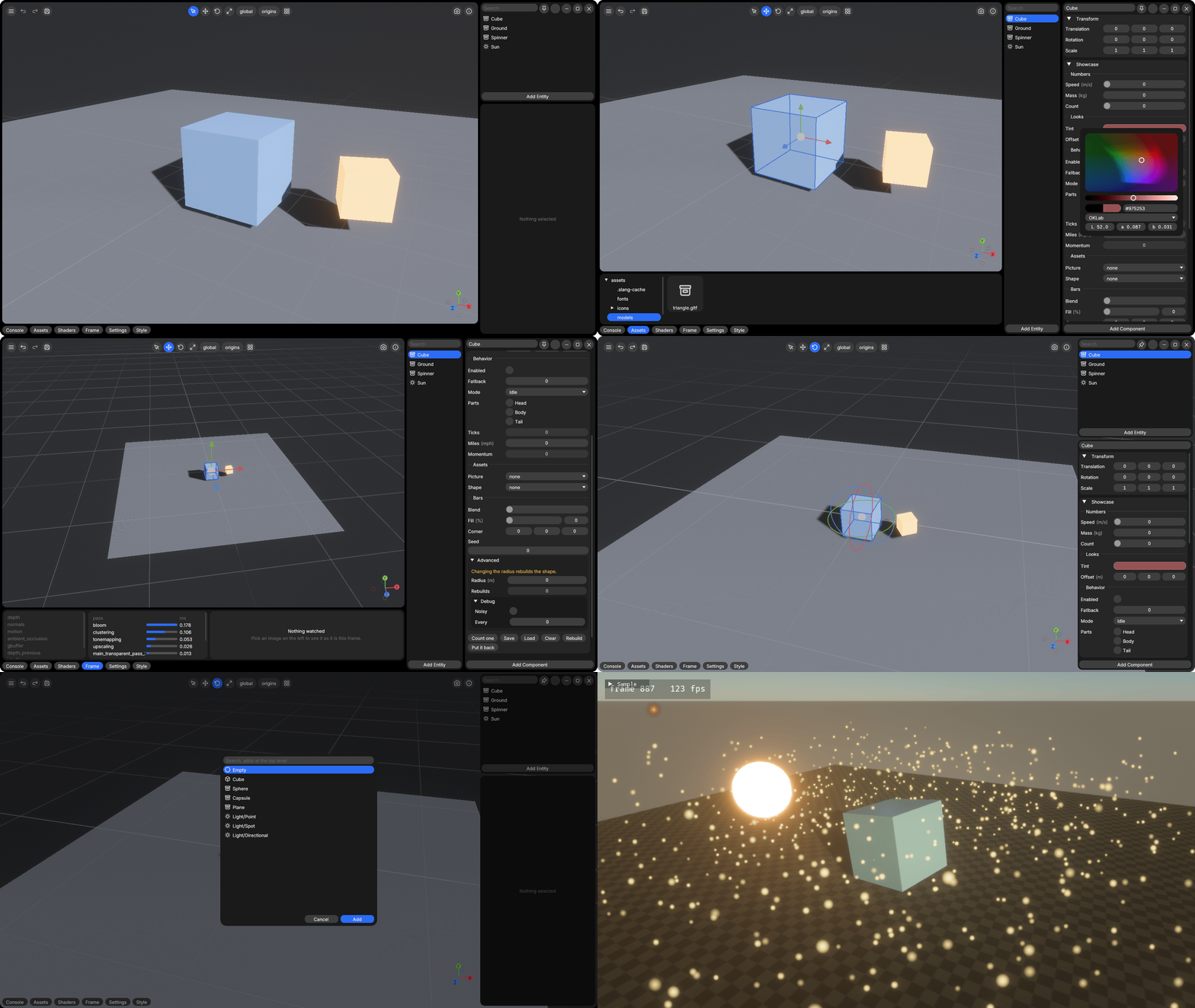
BevyCSharp.Editor, dotnet run --project BevyCSharp.Editor
</div>
Mark a struct [Behavior], give it methods with stage attributes, and a Roslyn source generator
registers it with Bevy's schedule, as a component and a system at the same time. Bevy is the engine
underneath, with its ECS, its scheduler, its timing, its input and its renderer.
using Bevy;

[Behavior]
public partial struct Spin
{
    [Range(0f, 5f)] public float Speed;
    private float _angle;

    // A static method is one plain system
    [OnStartup]
    public static void Scene(BehaviorContext ctx)
    {
        ctx.Ecs.Add(Render.SpawnCamera3d(), Transform.LookingAt(new Vec3(3f, 3f, 5f), Vec3.Zero, Vec3.UnitY));
        Render.SpawnLight(LightKind.Directional, 10_000f);

        var cube = ctx.Ecs.Spawn();
        ctx.Ecs.Add(cube, new Spin { Speed = 1.2f });
        Render.SetMesh(ctx.Ecs, cube, Render.CreateMesh(MeshShape.Cuboid, 1f, 1f, 1f));
        Render.SetMaterial(ctx.Ecs, cube, Render.CreateMaterial(0.25f, 0.55f, 0.85f));
    }

    // An instance method runs once per entity that has one, handed the entity's transform
    [OnUpdate]
    public void Tick(BehaviorContext ctx, ref Transform transform)
    {
        _angle += Speed * ctx.Time.Delta;
        transform.Rotation = Quat.FromAxisAngle(Vec3.UnitY, _angle);
    }
}
In Program.cs
using Bevy;

BevyApp.Run();
Behaviors are discovered automatically, so a consuming project needs no registration code.
This is Bevy, run unchanged underneath, so what a game draws and how its systems are scheduled are Bevy's. What it adds is C#, behaviors reloaded while the game runs, an editor, scene files and saves, physics, and a package with no Rust in it. What it costs is a call across to the bridge each time C# reaches Bevy, and only what the bridge has opened, which reaches two thirds of the Bevy examples about a game rather than Rust. Compared with Bevy has each, with what was measured.
Contents
- Examples
- Install
- Guide
- Controlling a running app
- Status and limitations
- Building from source
- Contributing
- License
Examples
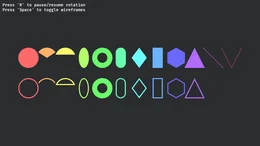
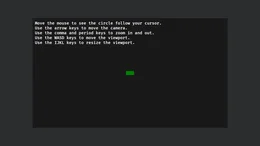
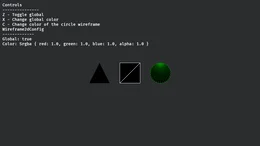
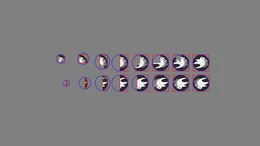
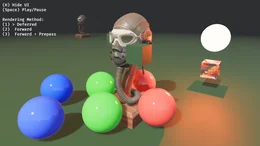
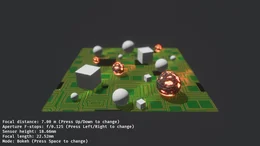
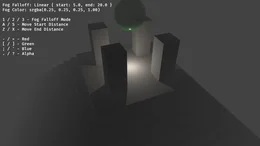
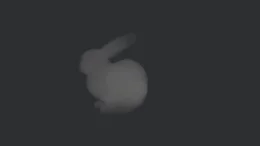
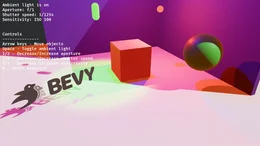
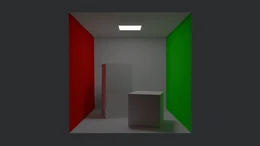
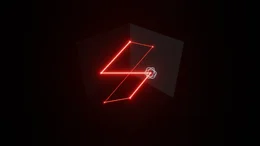
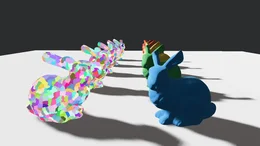
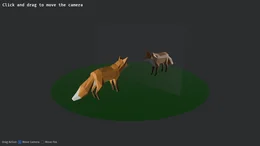
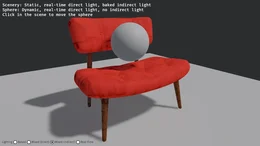
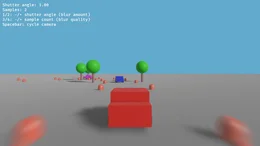
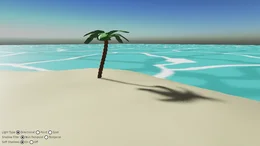
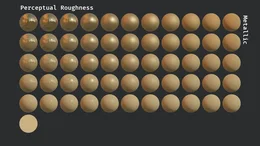
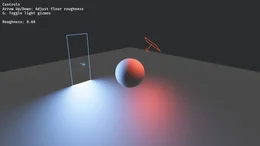
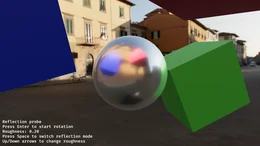
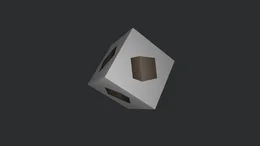
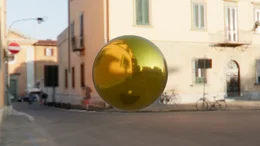
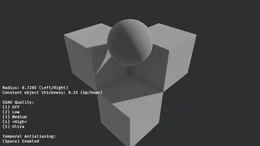
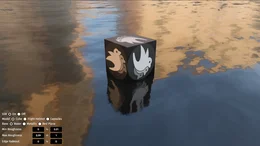
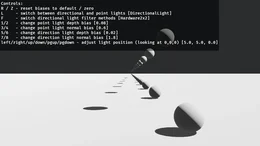
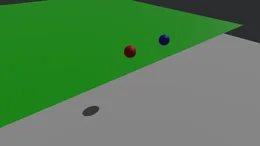
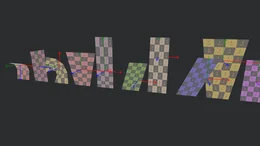
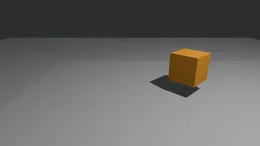
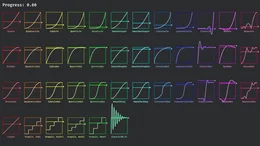
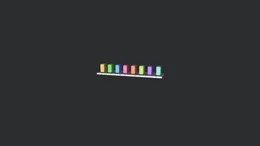
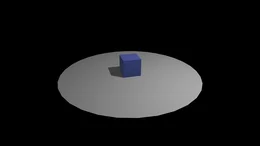
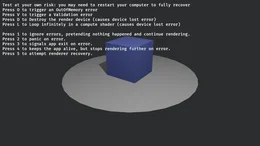
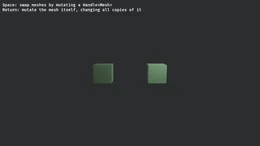
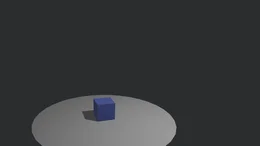
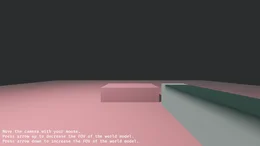
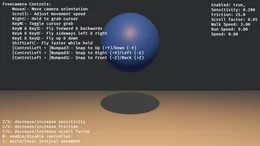
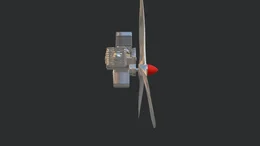
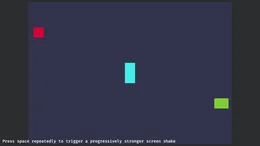
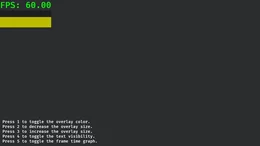
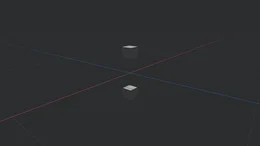
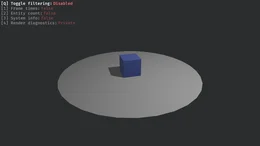
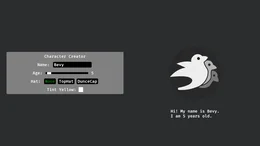
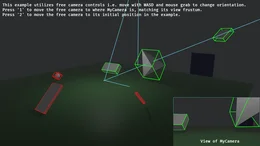
Bevy's own examples are written in C# under Bevy's names in BevyCSharp.Examples, each opened by
name and captured beside Bevy's picture of it, and EXAMPLES.md has a
row for every one of Bevy's, saying whether it is written, can be, or waits on something the bridge
lacks. A picture opens the C# program that drew it. A group's heading counts the examples of
Bevy's group written here, and one that prints rather than draws is in EXAMPLES.md rather than in
the row.
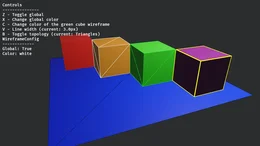
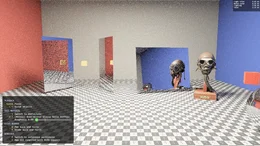
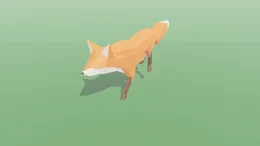
Of Bevy's 438 examples, 373 are written in C# here and 0 more in part, 0 more can be with what is bridged, 3 wait on something the bridge lacks, 2 are declined and 60 are about Rust itself (EXAMPLES.md).
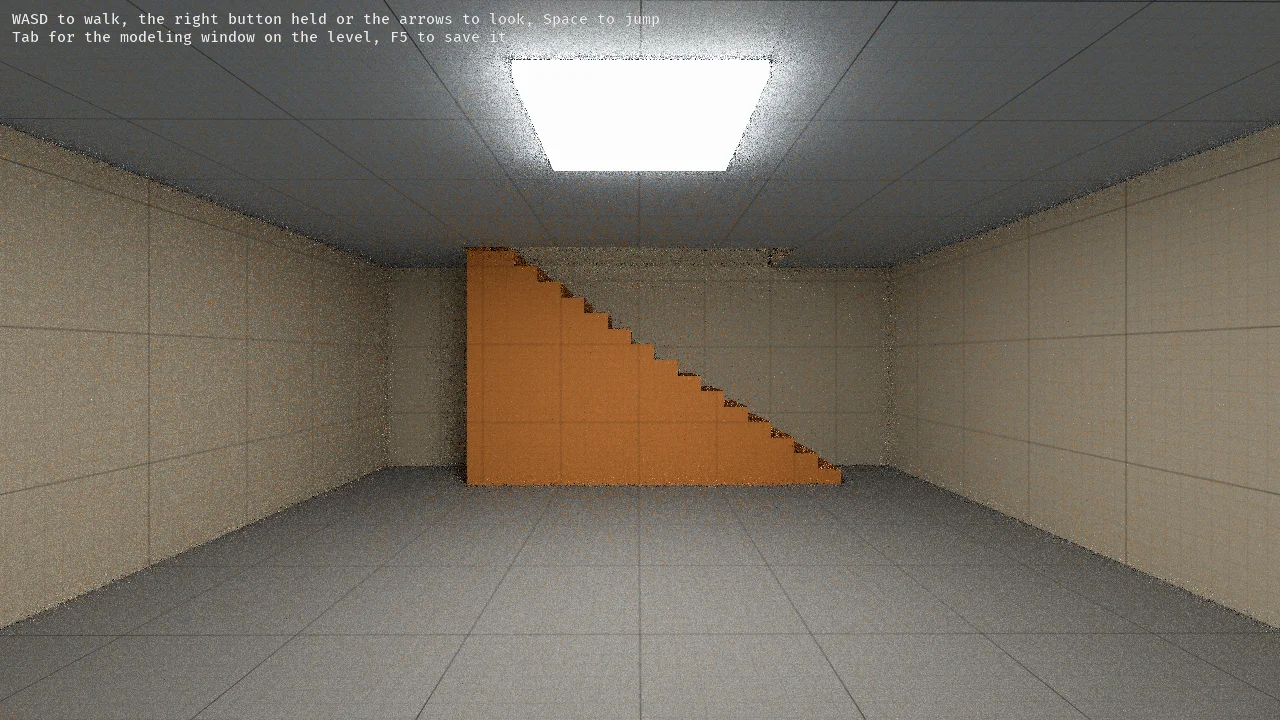
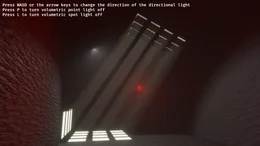
Blockout, a level blocked out from one recipe of the modeling tools, its hall, its stairs to the room over it and its lamp, under ray-traced lighting, walked in and reshaped from the modeling window while it is walked in:
2D Rendering, 28 of 29

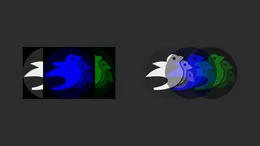
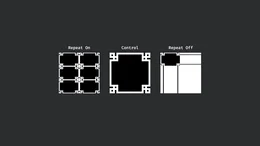

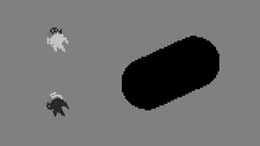


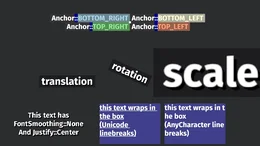
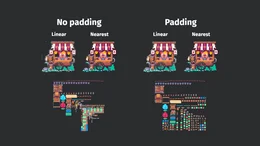
3D Rendering, all 68
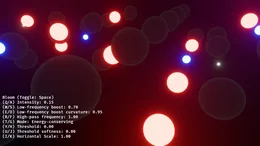
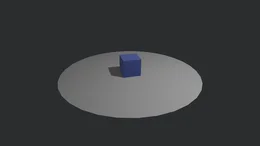
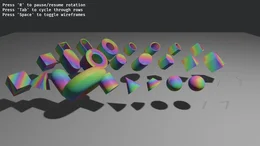
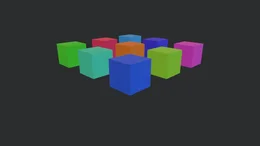
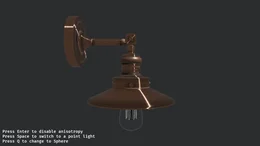
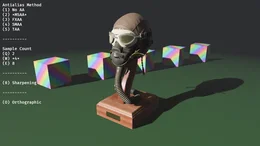

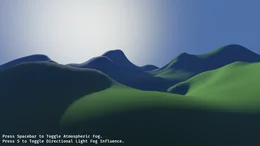
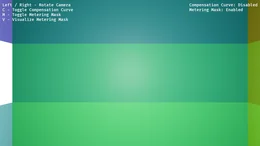
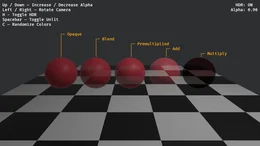
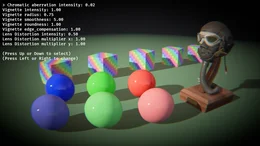
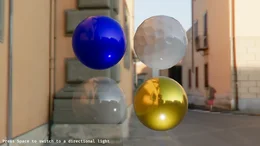
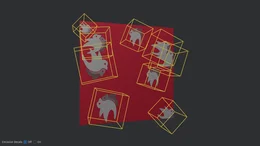
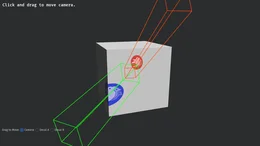
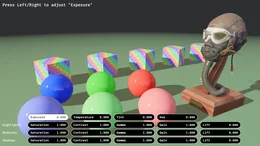
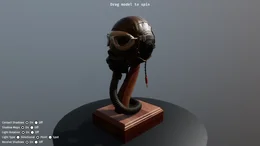
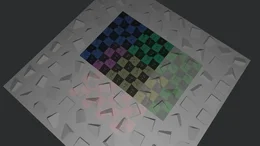
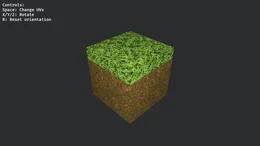
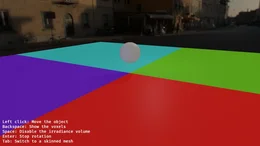
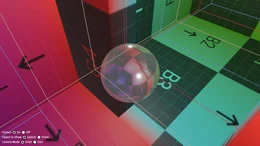
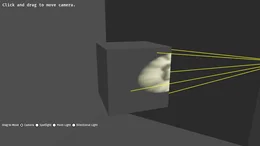


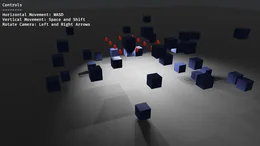
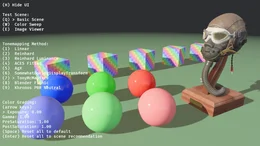
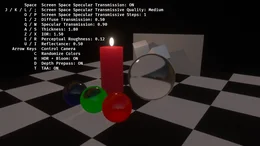
Animation, all 13
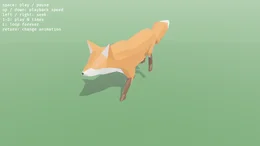
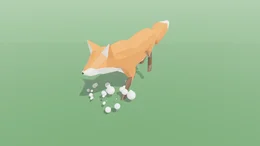
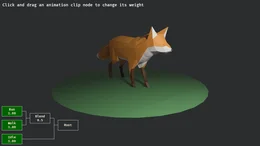
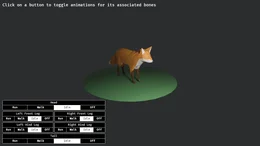
Application, 12 of 19
 |
 |
 |
 |
 |
 |
 |
|---|---|---|---|---|---|---|
drag_and_drop |
empty_defaults |
headless_renderer |
logs |
render_recovery |
persisting_window_settings |
settings |
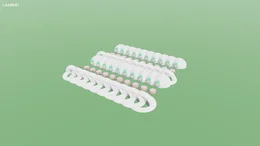
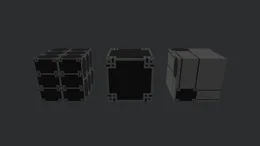
Assets, 11 of 18
 |
 |
 |
 |
 |
 |
 |
 |
 |
 |
|---|---|---|---|---|---|---|---|---|---|
alter_mesh |
alter_sprite |
asset_loading |
asset_settings |
embedded_asset |
extra_asset_source |
generated_assets |
hot_asset_reloading |
multi_asset_sync |
repeated_texture |
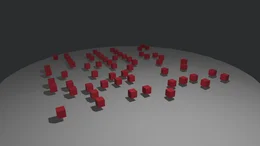
Async Tasks, all 3
 |
 |
 |
|---|---|---|
async_channel_pattern |
async_compute |
external_source_external_thread |
Audio, all 8
 |
 |
 |
 |
 |
 |
 |
 |
|---|---|---|---|---|---|---|---|
audio |
audio_control |
decodable |
pitch |
play_sound_effect |
soundtrack |
spatial_audio_2d |
spatial_audio_3d |
Camera, all 12
Dev tools, 2 of 3
 |
 |
|---|---|
fps_overlay |
infinite_grid |
Diagnostics, all 3
 |
|---|
log_diagnostics |
ECS (Entity Component System), 26 of 35
 |
 |
 |
 |
 |
 |
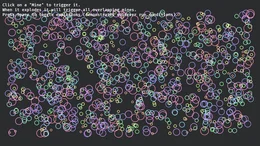 |
 |
 |
 |
 |
|---|---|---|---|---|---|---|---|---|---|---|
delayed_commands |
entity_disabling |
error_handling |
hierarchy |
hotpatching_systems |
iter_combinations |
observers |
one_shot_systems |
parallel_query |
removal_detection |
state_scoped |
Games, all 7
 |
 |
 |
 |
 |
 |
 |
|---|---|---|---|---|---|---|
alien_cake_addict |
breakout |
contributors |
desk_toy |
game_menu |
loading_screen |
mines |
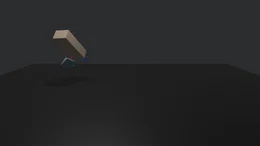
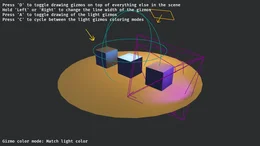
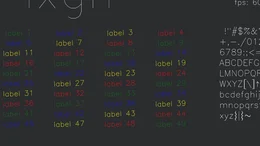
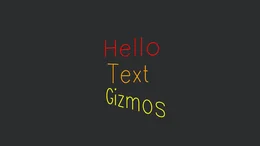
Gizmos, all 9
 |
 |
 |
 |
 |
 |
 |
 |
 |
|---|---|---|---|---|---|---|---|---|
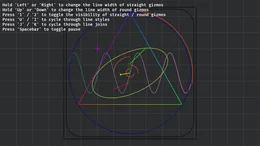
2d_gizmos |
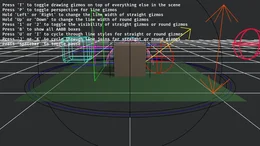
3d_gizmos |
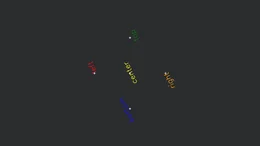
anchored_text_gizmos |
axes |
light_gizmos |
2d_text_gizmos |
3d_text_gizmos |
text_gizmos_font |
transform_gizmo |
Input, all 12
 |
|---|
mouse_grab |
Math, 5 of 6
 |
 |
 |
 |
 |
|---|---|---|---|---|
bounding_2d |
cubic_splines |
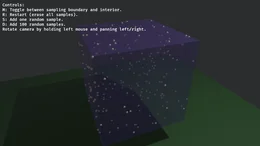
random_sampling |
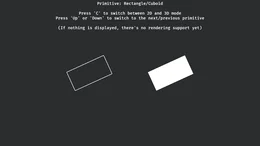
render_primitives |
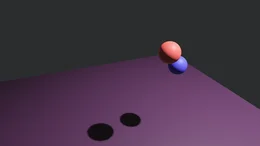
smooth_follow |
Movement, 1 of 1
 |
|---|
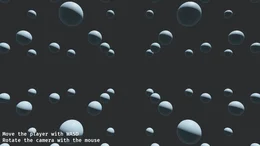
physics_in_fixed_timestep |
Picking, 6 of 7
 |
 |
 |
 |
 |
 |
|---|---|---|---|---|---|
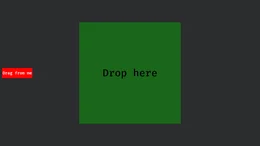
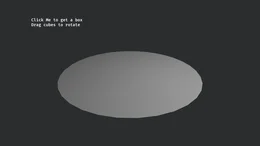
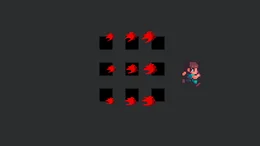
dragdrop_picking |
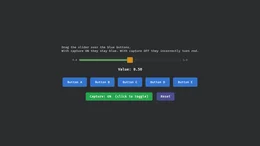
draggable_slider |
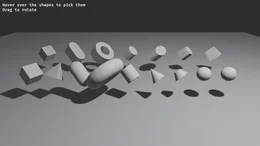
mesh_picking |
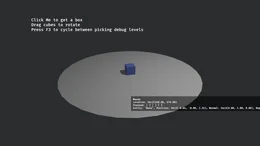
debug_picking |
simple_picking |
sprite_picking |
Scene, 1 of 2
 |
|---|
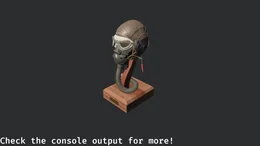
world_serialization |
Shaders, 24 of 27
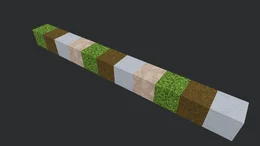
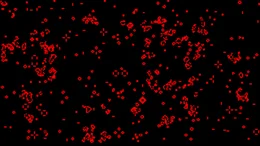
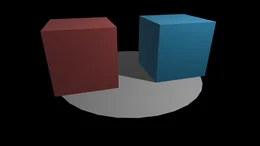

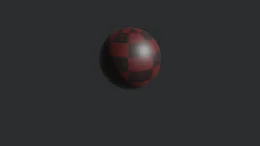

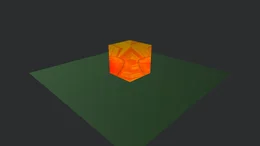
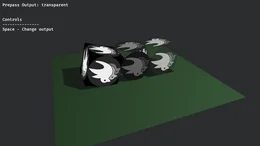
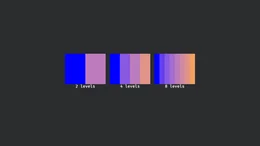
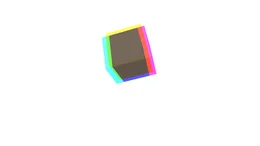
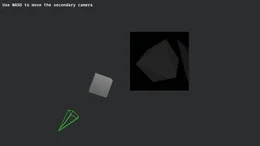
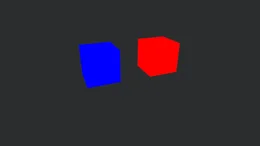
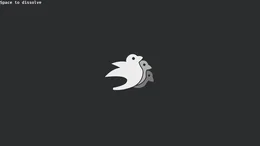
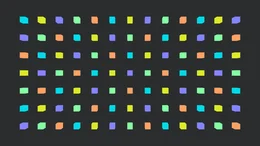
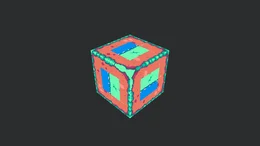
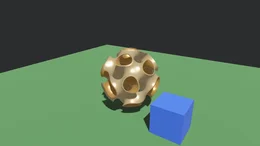
Shaders Advanced, 3 of 4
 |
 |
 |
|---|---|---|
deferred_raymarch |
fullscreen_material |
mesh_shader_intro |
State, all 4
 |
 |
 |
 |
|---|---|---|---|
computed_states |
custom_transitions |
states |
sub_states |
Stress Tests, 19 of 20
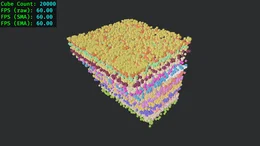


Time, 2 of 3
 |
|---|
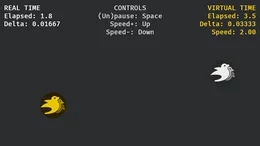
virtual_time |
Tools, all 2
 |
 |
|---|---|
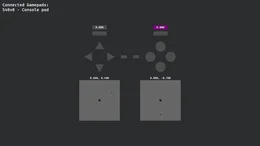
gamepad_viewer |
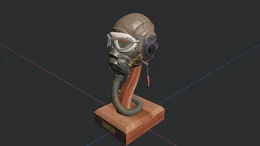
scene_viewer |
Transforms, all 5
 |
 |
 |
 |
 |
|---|---|---|---|---|
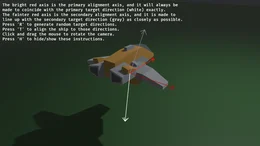
3d_rotation |
align |
scale |
transform |
translation |
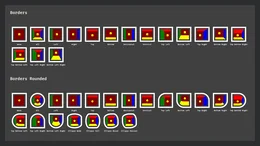
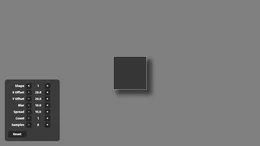
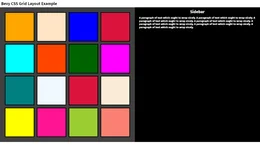
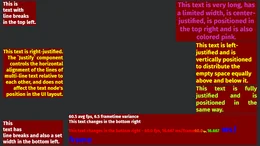
UI (User Interface), 62 of 65

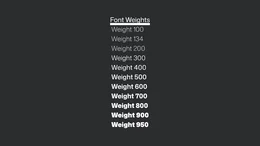
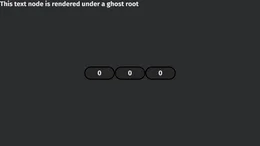
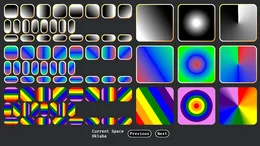
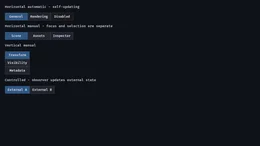


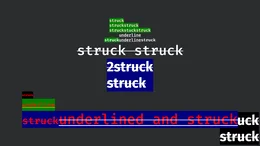
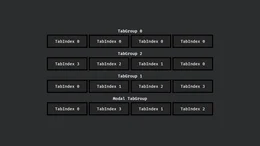
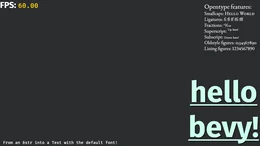
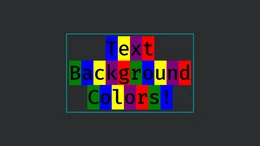


Usage, all 4
 |
 |
 |
 |
|---|---|---|---|
character_creation |
context_menu |
cooldown |
debug_frustum_culling |
Window, all 11
 |
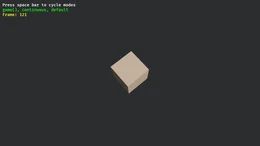
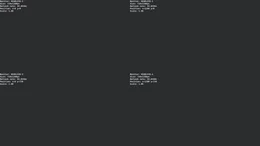
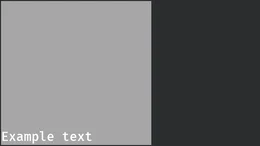
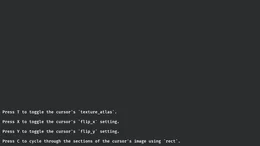 |
 |
 |
 |
 |
 |
 |
 |
 |
 |
|---|---|---|---|---|---|---|---|---|---|---|
clear_color |
custom_cursor_image |
low_power |
monitor_info |
multiple_windows |
scale_factor_override |
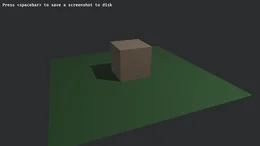
screenshot |
transparent_window |
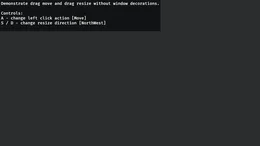
window_drag_move |
window_resizing |
window_settings |
glTF, 6 of 9
 |
 |
 |
 |
 |
 |
|---|---|---|---|---|---|
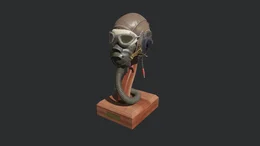
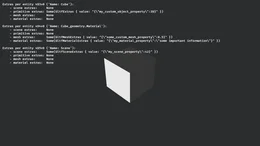
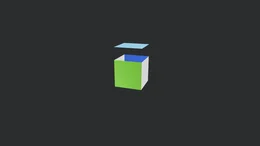
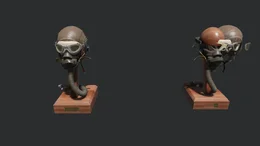
edit_material_on_gltf |
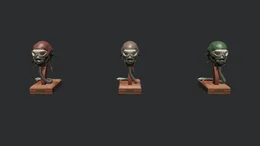
load_gltf |
load_gltf_extras |
query_gltf_primitives |
update_gltf_scene |
gltf_skinned_mesh |
Kept out of Bevy's list, 4 of 14
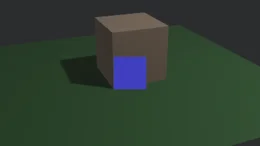
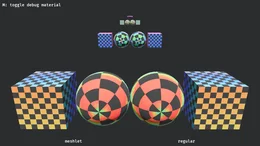
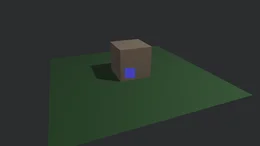 |
 |
 |
|---|---|---|
minimizing |
resizing |
test_meshlet |
dotnet run --project BevyCSharp.Examples -- 3d_scene
./bcs open --example lighting --offscreen     # serving, for ./bcs to control and capture
Run from a clone, an example draws with the bridge as it was last built, and the build before it
warns with BCS102 when a file the bridge is built from has changed since, a shader among them,
naming the file and the command that rebuilds it, as Building from source
says.
Install
dotnet new install BevyCSharp.Templates
dotnet new bevycsharp -o MyGame && cd MyGame
dotnet run
The template makes the program above, Spin.cs and Program.cs, in a project asking for the
package of the template's own version, and dotnet run opens its window. The package carries the
managed library, the source generator and a prebuilt bridge per platform, and any other project
takes it with dotnet add package BevyCSharp.
On Linux the bridge's audio links ALSA, so the bridge needs ALSA's library to load, libasound2
(libasound2t64 on Ubuntu 24.04 and Debian 13) or alsa-lib on Fedora and Arch, which a desktop
has and a container usually does not, and drawing needs a Vulkan driver. Where there is no display,
as in a container or on a build server, BCS_OFFSCREEN=1 draws into an image instead of a window
and BCS_FRAMES ends the run after that many frames. Mesa's software Vulkan (mesa-vulkan-drivers)
draws where there is no graphics card:
BCS_OFFSCREEN=1 BCS_FRAMES=120 dotnet run
The pack run follows these steps in a container holding the .NET SDK and the two packages alone.
Guide
The guide in docs/ is for somebody using the engine, a page an area. Everything in
it is Bevy's own, bridged rather than reimplemented, so a Transform written from C# is the
transform the renderer reads and a sound played from C# is an entity in the same world.
| CHEATSHEET.md | Every public method of the library on one line, grouped as the pages are |
| A first game | A small game made from an empty folder, a step at a time |
| Behaviors | Systems and components, stages, the fixed timestep, filters, conditions and threads |
| States | A game's modes, systems scoped to them, and code run as they change |
| Messages and the hierarchy | One system telling another, code run the moment something happens, and entities parented |
| Components | Bevy's components from C#, the rest through reflection, lists and maps, visibility |
| Scenes and saves | Data assets, scene files, instances, saved games and types that change |
| Assets and models | Loading from a folder, an assembly or a pack, and glTF models |
| Drawing | Meshes and materials made in code, and meshlets |
| Modeling | Meshes shaped by operations, kept as a recipe and built into meshes and colliders |
| Levels | Levels of brushes and entities drawn in TrenchBroom, built into a scene with their collision |
| Trees | Trees and plants grown from a seed within Weber and Penn's controls, with their bark and leaves |
| Materials and textures | Bevy's physically based material and its images |
| Shaders | Materials and passes written in Slang, compiled and reloaded as the game runs |
| Compute | Compute shaders on their own and on a camera |
| Cameras and light | Cameras, shadows, the picture a camera makes and its lens |
| Reflections and the sky | Screen-space and probe reflections, the sky and light probes |
| Ray tracing | Bevy's ray-traced lighting and rays traced by a game |
| Images and the window | Drawing into an image, and the window |
| 2D | Sprites and flat cameras |
| Gizmos | Lines and shapes drawn for a frame |
| The interface | Bevy's nodes and text, and Dear ImGui for tools |
| Audio | Sounds and music, placed and mixed |
| Physics | Bodies, colliders, joints, contacts and characters over BepuPhysics |
| Input | Typed text, the input method, touches and gamepads |
| Math | Shapes as values, points sampled in them, bounding volumes and casts, and cubic curves |
| Running a game | In a window, headless or offscreen, and behaviors reloaded while it runs |
| Making a game | Courtyard, a small game from an empty project to an export |
| The tools | The editor, its console, and controlling a running app |
| How it works | Inside, between C# and Bevy |
| Compared with Bevy | What is the same, what it adds, what it costs, and what was measured |
Controlling a running app
./bcs controls a running app from a terminal, the editor, a game or an example, answering in JSON,
which is how a change is checked without a person at the window:
./bcs open --editor --offscreen        # start one, detached, with no display needed
./bcs command entity.set Cube Transform.Translation 0,2.5,0
./bcs command input.hold W,D 12        # keys held for twelve frames, inside the app
./bcs shot after.png                   # the next frame, as a PNG
./bcs stop
A game adds commands of its own with [Command] on a static method, and
the tools page has the rest.
Status and limitations
Early. The behavior system, the ECS bridge and the schedule work and are covered by tests that run against a real Bevy app. Bevy's own examples are the measure of how much of it is reached, and how many of them are written stands under Examples.
Known gaps:
- A locally built package contains only the platform you built it on. Use the pack workflow, or
run
build-native.shon each target platform, to produce a package covering all of them. - A render build draws. Mesh primitives, textured physically based materials, cameras, lights,
sprites, gizmos, UI nodes and text are reachable from a behavior script, verified on Vulkan. glTF
files and
.scnscenes load and spawn, audio plays, and a camera tonemaps, blooms, multisamples, antialiases, scatters a sky over what it draws, pulls focus and finds its own exposure. What is thin is the layer above that. A model's clips play one at a time, sprites step through no frames of their own, and a compressed texture a desktop GPU cannot decode is not transcoded. .github/TODO.md lists what each gap needs. - The library compiles no C# at runtime, so a game carries no compiler. Behavior scripts loaded
while an app runs go through
BevyCSharp.Scripting, which the editor and the player reference and a game references only if it loads scripts itself, overApp.EnableDynamicSystemsandApp.RemoveSystemsBySource. - The editor's document is a scene file, with the hierarchy, entity references and Bevy's own
components kept, and primitives and materials made in memory written as how to make them again.
A mesh built vertex by vertex is written as its geometry, and a material can be kept in a
*.material.jsonof its own. .github/SCENES.md has what is left. - Five of Bevy's components are mirrored by hand, and the rest are reached through Bevy's reflection, by type path and JSON or through generated typed wrappers, at the cost of a serialization a call. A component holds a list, inline or in a managed store, and a dictionary in the same store, and shared values live in data assets of their own. .github/COMPONENTS.md plans generated mirrors.
- Component filters must be table-stored components, which is everything C# registers. A filter naming a Bevy-side sparse-set component is rejected rather than silently wrong.
- A cubemap comes from a file, as six square faces in a column, a row or a cross, or from a reflection probe that captures itself. One a game renders into with its own cameras, a layer at a time, has no bridge.
- Slang shaders compile with
slangc, which the build fetches. A machine without it draws what was compiled and cached on one that had it, and cannot compile an edit. - The renderer is open at fewer points than virtualized geometry, texture streaming, screen-space and world-space GI or reflections need. .github/RENDERING.md lists what each of those asks of an engine, what is here, what is missing, and the order it is built in.
Building from source
Using the package needs none of this, since it ships a prebuilt bridge for every supported
platform. This
is for working on the bridge itself. A clone takes the modules both engines share, which the
library references from modules/, with git clone --recurse-submodules, or with
git submodule update --init in a clone made without it.
build/build-native.sh          # the headless bridge
dotnet build                   # what copies it beside each project's binaries
dotnet test BevyCSharp.Tests/BevyCSharp.Tests.csproj
The two halves are built separately, and a rebuilt bridge is invisible until a managed build copies
it, which is why the second line is not optional. The other way round, a managed build compares the
bridge in build/target/release with every file under native it is built from, its shaders among
them, and warns with BCS102 where one is newer, naming it, so a pull that changed the bridge says
so at dotnet build and dotnet run rather than drawing its old shaders under the new C#.
build/build-native.sh --render adds the renderer and Dear ImGui's pass, and --editor adds the
asset watcher the editor edits files with on top of it.
.github/BUILDING.md has the rest, the three native profiles and what each costs, the platforms and their prerequisites, how the package is assembled for six runtime identifiers, and how a release is published.
Contributing
Prose in this repository follows .github/STYLE.md, which uses no em dashes, no spaced hyphens as punctuation, no colon inside a running sentence, no padded section banners, and comments that explain why rather than restate the code.
License
Mozilla Public License 2.0. The full text is in LICENSE, and it ships inside the package. So does THIRD-PARTY-NOTICES.md, which names the work of others the package carries, Bevy and every crate the bridge is built from among it, each with its license and the notices its own files give, for a game shipped on the package to carry in turn.
MPL-2.0 is file-level copyleft, meaning changes to files that are part of this project have to stay under it and be made available in source form, while anything you build around it, including a game that references the package, is yours under whatever terms you like. Bevy itself is MIT and Apache-2.0, which this can incorporate freely.
| Product | Versions Compatible and additional computed target framework versions. |
|---|---|
| .NET | net10.0 is compatible. net10.0-android was computed. net10.0-browser was computed. net10.0-ios was computed. net10.0-maccatalyst was computed. net10.0-macos was computed. net10.0-tvos was computed. net10.0-windows was computed. |
-
net10.0
- BepuPhysics (>= 2.5.0-beta.29)
- Twizzle.ImGui-Bundle.NET (>= 1.91.5.2)
NuGet packages
This package is not used by any NuGet packages.
GitHub repositories
This package is not used by any popular GitHub repositories.
| Version | Downloads | Last Updated |
|---|---|---|
| 0.6.159 | 65 | 11/17/2026 |
| 0.6.156 | 71 | 11/17/2026 |
| 0.6.147 | 61 | 11/16/2026 |
| 0.6.122 | 74 | 11/14/2026 |
| 0.6.114 | 62 | 11/12/2026 |
| 0.6.106 | 66 | 11/11/2026 |
| 0.6.91 | 62 | 11/10/2026 |
| 0.6.18 | 70 | 11/2/2026 |
| 0.5.193 | 93 | 10/21/2026 |
| 0.5.178 | 88 | 10/20/2026 |
| 0.5.174 | 98 | 10/20/2026 |
| 0.5.149 | 89 | 10/20/2026 |
| 0.5.120 | 79 | 10/19/2026 |
| 0.5.105 | 76 | 10/18/2026 |
| 0.4.129 | 80 | 10/7/2026 |
| 0.3.2 | 89 | 10/4/2026 |
| 0.2.277 | 81 | 9/27/2026 |
| 0.1.200 | 117 | 9/20/2026 |
| 0.1.130 | 150 | 9/5/2026 |
| 0.1.88 | 142 | 9/4/2026 |
The roofs' set of cameras is made by the first roof camera, so an app without rain spawns its entities at the indices it did before it, and many_foxes seeks each fox by its place among the foxes.
The bridge's entry points move from Native into an internal class for each area, each running the loader's check from its static constructor, which a test reads for every class.
The modifier stack's budget test holds the least of three builds to its 200 ms, since one build's time on a shared runner is the runner's as much as the code's.
The meshlet example's bunny moves by the frame's time, so a held frame moves it not at all, and the 3% its picture moved is read to the lights' own shadow biases.
The log ring, AssetHandle, SaveId and AssetIds stand in Core, the handle's loading members staying with the assets.
Fedora's six are captured again on its Mesa 26.2.6, which the workflow names.
The feature test takes the illumination's and the weather's quality a run names from launch, and turning the weather off takes its fog off, so the course on a software device makes neither.
Each area's part in the app and its frame is a plugin of its own that the engine's plugin builds, and what the app does before Bevy is built stands in Core.
The rain's roof camera draws a layer of its own that the meshes it stops on take and no light stands on, so it brings no lamp into the frame's shadow maps.
The shadow maps' churn at the course's start is read to the rain's roof camera drawing the hub's lights into every view's maps for a few frames at a time.
The court's wedges through the arch are read to the share past the probes taken along one line, and a spread that softens them costs the yard's far wall its reading.
A probe's sight of a surface reads its reach between the four nearest texels, which takes off the warm triangles a probe under a thin floor drew along a wall's foot.
The yard's far foot dashes are read to the coarsest probes under the floor seeing the wall's foot through their reach test's slack.
A wall in shade past the probes takes the sunlit ground before it, read along its normal past its own shadow.
A probe that begins on a thin wall's middle taken as outside only where its moves carry it clear leaves the yard's far foot as it was, so the mend is left out and its reading recorded.
The yard wall's remaining dashes are read to the field's hold of a wall thinner than a cell, whose top reads up to a cell low, and recorded as the method's at High's coarsest cells.
A probe its moves leave on the middle of a wall thinner than a cell is taken as inside and passed over, so it lends neither side's light to the other.
Comments give the reason the code stands on without readings before and after, costs measured from a run or accounts of trials, a number kept only where the code's choice depends on it, and the style guide says so with its search.
The scripted run's stop on the GPU's memory is read against the commit that passed on 2026-11-03, which stops at the same places under the same desktop load, and recorded as the desktop's share.
Trees stand where the Vegetation module's planting places them, a forest spread over its disc and each tree's variant, turn and size from its seed, the same to the bit.
Grass is planted from the Vegetation module's scatter, its patches and clumps the same to the bit, and its settings are the module's.
The texture sets are the Vegetation module's, read under the asset root and loaded with their samplers through TreeTextureAssets.
A tree's species and its skeleton move to the Vegetation module, which the engine takes as a submodule under modules/Vegetation, and grow the same trees to the bit.
Comments say what the code does and why in the engine's own terms, without another product, the sibling engine's readings or the sessions' work as their reason, and the style guide says so with its search.
A probe ray's hit reflects by its gloss the light the probes hold along the ray's mirror way, and the middle dot is out of the repository with the style guide saying so.
A probe's ray crossing a crown lights what the crown stops where its leaves stop it and gives the probe's faces the light of a crossing begun before its interval, a probe among a crown's cards stands outside every mesh, a reference of a scene with nothing drawn is refused, and the guides say which commits take version tags.
A mesh of a visibility range casts its shadow from the middle of the margin it fades in over to the middle of the one it fades out over, so one level of a tree shades it at any distance.
The air's sky test asks for its picture once its pipelines have been ready for ten frames, and the crowns' fill and the near oak's light are read against the reference.
A probe's ray's hit and the reference's faces past the first keep for their diffuse share what their gloss leaves, so a closed room of smooth white walls holds its light within bounds.
The distance field holds a crown's leaves cell by cell, so the probes under a crown's sparse edge see the sky its few cards let past and the meadow's shaded grass takes the light from all around its reference gives it.
Each ray of a probe keeps its own reach, so a probe beyond a thin wall sees none of the floor inside through one ray passing beside the room's corner.
The leaves' gray darkens the light from all around in place of their color and the light a leaf or a blade lets through from behind is shadowed, and the reference reads a crown leaf by leaf.
The leaf and grass sets' smaller texture levels take the leaves' color and surface weighted by how much of each texel the leaves cover, and a lone aspen's leaves under a uniform sky are held to their reference with the sky behind them.
The leaves and the grass drawn forward reflect the light of the probes they see along their mirror way, and Bevy's own reflection is taken back by its occlusions.
A probe's ray lights what it meets by its gloss as well as its color, the field keeping each face's gloss in the faces image's bits above its way, and one reference lights and scatters every path by Bevy's lighting and its gloss for every test.
A rough face reflects the probes' light read along its mirror way from each probe's eight by eight directions, its faces the rough end of the mix, with the probes' share of sky gone and the transport tests reading first-face references, which take a seed.
Each light takes Bevy's shadow biases for its kind where none is set, so a wall the sun grazes reads within 1% of the reference's sun, with many_foxes taken again and the wind test's captures on a set clock.
A leaf's way out of its crown is turned with its tree as the mesh's normals are, so a yawed tree's crown is lit on the side toward the sun.
The reference traces the GGX lobe at every face of a camera's path, the diffuse share or the lobe drawn by their weights, and the tests of the probes' diffuse transport read a reference whose paths go on by the diffuse share alone.
The grass is planted with the tangents its normal map is read along, and the leaf material and the reference take a card's side by its own normal turned to the eye, so a blade seen from behind faces the eye and the sun lies on the meadow's grass.
The reference meets a mesh that casts no shadow with the camera's rays alone through the ray scene's instance mask, lights a leaf's two shares as the leaf material does, reads the cut-out materials' normal maps among 32 masks, takes a card's eye side where its normal lies across its way out as the leaf material does, and the README links 3DEngine.
The path-traced reference traces a mesh of a visibility range at the level the eye's distance gives, as the picture draws it, and its answer counts the cut-out textures past the material buffer's masks and the trees not dressed yet.
The screen probes' tile grows with the picture's height past 1080 rows as 3DEngine's does, so their count and their trace's cost hold near 1080p's at 1440p and 4K.
The path-traced reference reads a cut-out material's color and its metallic and roughness textures through the material buffer's masks and lets its paths and shadow rays through where the alpha is under the cutoff, a leaf's, a bark's and a grass card's material read as the standard material each extends.
gi.screenprobe reads the screen probe under a pixel against the reference along each of its sixteen rays' ways and across their texels, where each ray was met, and the light the probe sums against the reference's.
The light pass takes back Bevy's ambient term by the table of F_AB Bevy lights with, bound among every engine pass's inputs, where it took it back by the polynomial and left a surface seen at a grazing angle too bright and one seen face on too dark.
A world probe that sees too little of the cascade above carries its rays on to the field's edge and takes the sky where they meet nothing, 3DEngine's carry, so a corridor narrower than the coarser probes' spacing takes the light from past them.
Item 104's reading of the world probes by bounce, gi.probe reading one probe against the reference along its texels' ways and gi.bounces holding the probes at a count of bounces past the first.
Every texture whose filters are linear is filtered at sixteen samples at a slant, Bevy's default sampler and its glTF loader's among them, with the anisotropy settings taken out and the two example pictures that move taken again.
Global illumination reads each probe face's light at the surface it is read for, every patch the probes' rays met turned toward that surface, so a closed room's bounces come back as its reference's rather than about five percent over each.
A carried emitter emits by the share of its box's faces its mesh's own surface makes, summed from its triangles where the field gathers it.
The field's contact shadows take a directional light back through the camera's air as Bevy dims it, so a sun under the horizon has none taken back.
Each cascade of the field and the probes is kept a step of eight cells or more from the eye on every side, so the wall behind the eye lies inside it.
The march toward a lamp from a probe's hit looks from its first step, its clearance kept at the lamp's end alone, so a lamp beyond a wall beside the hit is hidden.
The field holds a wall thinner than a cell along its foot and its head, taking a face as behind a cell only where the cell lies straight behind it.
Global illumination's glow lights reach as far as their size gives them, and the lights past the brightest at a surface are taken in groups by their way from it.
The feature test traces global illumination at Medium by default with the day's fill off, and its scripted run and its soak on lavapipe at the quality an environment value names.
Global illumination's pass passes over the pixels no deferred material drew, and a tree's leaves and the grass, drawn forward, read its probes themselves.
A camera's ambient occlusion keeps the depth and normal prepasses it reads while it is on, whatever else asks the camera for a prepass or takes the G-buffer away.
Global illumination's pass takes back the light Bevy's reflection probes and irradiance volumes gave as Bevy's lighting gave it.
Global illumination at Medium traces four cascades of probes as High does, so a wall past three cascades' reach takes the light its yard sends it.
Global illumination's probes, its screen probes and its ground past them are lit by the sun through the camera's air, as Bevy lights the picture.
The measure reads the camera the view is drawn by where no field is built, and a reference starts from its own paths rather than from what its image held.
The reference lights its faces by the sun through the camera's air, every 3D camera keeps its G-buffer while materials are deferred so one that turns global illumination off still draws, and a read that never answers gives itself up.
The console says the weather's wind as a speed again, where the Sky module's vector printed the name of its length method.
The engine takes the Sky module as a submodule and reads the sky's clock, the weather and the looks from it.
A build warns when the native bridge is older than a file under native it is built from, its shaders among them.
The scene field's slice test waits for the slice's image, and an image read of no image is refused saying so.
The feature test's course waits after each held key for its settling alone rather than its frames again, and judges the moving platform and the elevator by how far the player ranged over a window their swing always fills, so the course step takes 97 minutes in the runner's setting where it took 111.
The Cornell lamp's face is white under rays, its emissive's exposure weight carried to the lighting pass in the G-buffer's flags, and the denoiser weighs its taps against the variance of its history's mean and keeps that mean as its history, so the ring round the lamp and the blur of a mirror's reflection go.